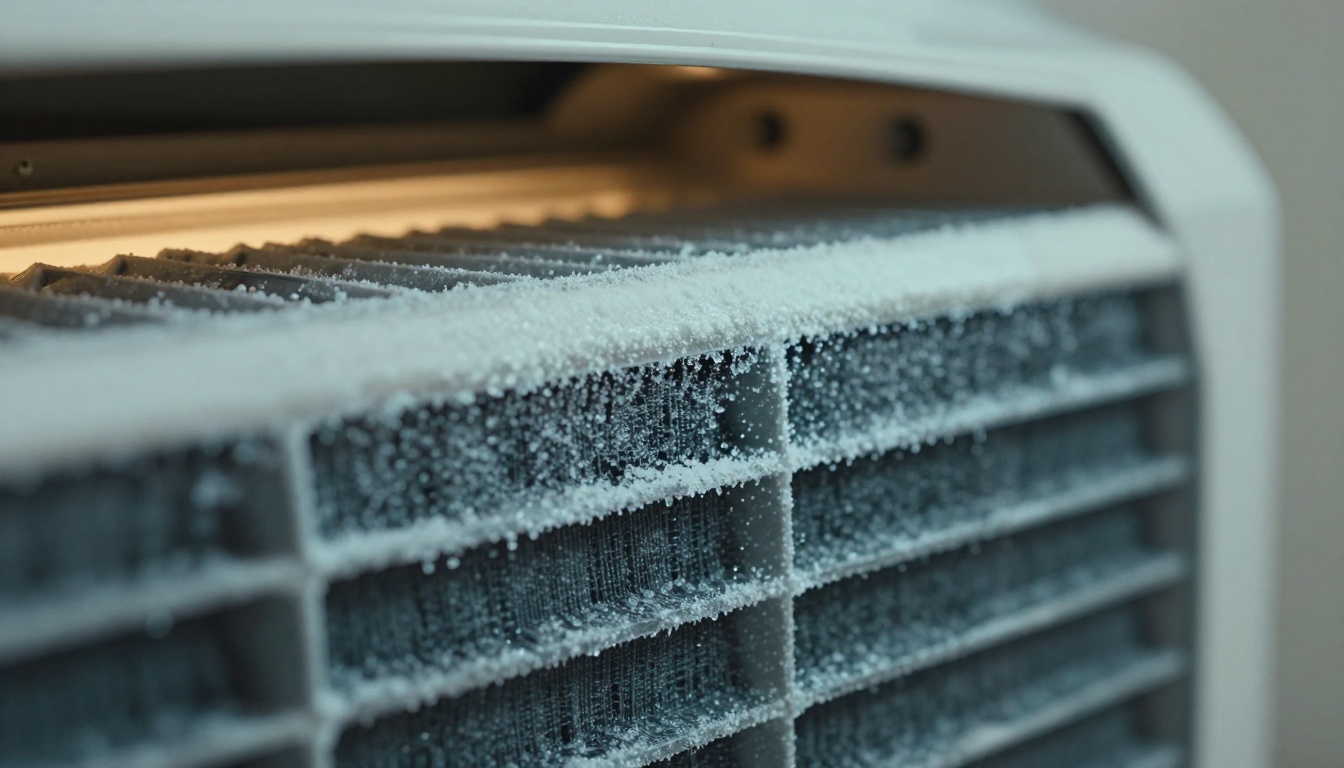
You walk into your home after a long day. The summer heat hits hard outside. Inside, your AC runs full blast, but the air feels warm. Worse, you spot ice on the vents.
A dirty filter often causes this mess. It blocks airflow, so cold coils freeze up. You face discomfort and big repair bills if you ignore it.
In April 2026, AC season ramps up fast. High humidity makes problems worse. This guide shows you the signs, how to check your filter, and quick fixes. You’ll save money and stay cool. Let’s spot the issue now.
Why a Dirty Air Filter Causes Your AC to Freeze
Clean air filters let room air flow over the evaporator coils. Those coils stay cold to cool the air. They absorb heat from the air passing by.
A dirty filter clogs with dust and lint. Airflow drops low. Coils get too cold because they lack warm air to balance them. Moisture in the air freezes on the coils. Ice builds fast.
Think of it like a clogged straw. You suck hard, but little drink comes through. The same happens inside your AC. Low airflow means low heat absorption. Coils dip below freezing.
This issue hits harder in humid spots. Moisture freezes easier there. High-use months like summer speed it up. Your unit strains more. Efficiency falls. Bills climb.
The Airflow Blockage Effect
Air enters your home through return vents. It hits the filter first. Clean filters trap dirt but let air rush past.
Dirty ones starve the coils. Step one: less air reaches them. Coils chill extra cold. Step two: moisture condenses and freezes. Step three: ice thickens. It blocks even more air. The cycle worsens.
You end up with frost on pipes and poor cooling. Coils can’t thaw without good flow.
Strain on Other AC Parts
Freezing stresses the blower motor. It works overtime to push air. The compressor labors too. It pumps refrigerant harder.
Ignore it, and parts fail early. Energy use spikes because the unit fights the blockage. A simple filter swap prevents this damage.
Spot the Top Signs of AC Freezing from a Dirty Filter
Look for ice first. It shows up on indoor coils or copper lines. Frost starts small near the air handler. It spreads quick if you run the AC.
Poor airflow follows. Vents blow weak. Air feels lukewarm even on cool settings. Rooms stay stuffy.
Strange sounds pop up. Gurgling water means melting ice. Hissing comes from cracks in the ice. Musty odors signal mold on wet coils.
Multiple signs together point to a dirty filter. One alone might mean something else. Check them all.
Warm air from vents despite the thermostat? That’s classic. Your AC runs, but can’t cool. The filter chokes it.
Ice Buildup You Can See
Peek inside the indoor unit. Turn off power first. Look at vents and lines. White frost or thick ice screams trouble.
It forms on evaporator coils inside. Don’t chip it off. That bends fins and worsens leaks.
Weak Airflow and Warm Blows
Hold your hand near vents. Feel a strong whoosh? Good. Barely a breeze means blockage upstream.
Air blows room temp or warmer. The filter restricts flow to coils. No cooling happens.
Strange Noises and Leaks
Listen for drips or gurgles. Melting ice drains wrong. Hiss from pressure buildup.
Water pools under the unit. Musty smells grow from damp, dirty coils. Mold loves that spot.
Step-by-Step Guide to Check Your AC Filter
Safety comes first. Turn off power at the breaker. Wait five minutes. This stops shocks or fan starts.
Find your filter slot. Most central AC units hide it in the return air duct. Check the furnace, attic, or air handler cabinet.
Open the access panel. It pulls or unscrews easy. Slide the filter out. Inspect both sides.
Look for gray dust, lint clumps, or pet hair. Hold it to light. No light through? It’s clogged.
Sniff it. Musty odor means deep dirt. Compare to a new one: clean filters look white or blue, feel light.
For window units, pull the front grille. Filters sit behind. Portables have slots on back or sides.
Replace if over 80 percent dirty. Clean reusables with water and vacuum first.
Locating and Removing the Filter Safely
Common spots include the return vent wall slot or furnace door. No tools needed usually. Wear gloves for dust.
Pull gently. Note airflow direction arrow. It points toward coils.
What a Dirty Filter Looks Like and Feels Like
Visual clues: thick dust layer, bent frame, stuck debris. It feels heavy and stiff.
Shine a flashlight through. Clear view means okay. Opaque blocks all light: time to swap.
Next Steps: Fix It or Rule Out Other Causes
Dirty filter confirmed? Vacuum loose dirt first. Rinse reusables under water. Dry fully before reinstall.
Buy replacements at any store. Match size like 16x25x1. Check MERV 8-11 for homes.
Slide new one in. Arrow faces blower. Restore power. Run fan only first. Check airflow.
Still freezing? Test thermostat. Set to fan on, cool mode. Feel improvement?
Clean filter but ice lingers? Low refrigerant or dirty coils might cause it. Fan issues too.
Call a pro for refrigerant. They handle EPA rules. Electrical faults need experts.
You save hundreds with this check. Pros charge $100-plus for visits.
Quick Filter Cleaning and Replacement Tips
Vacuum both sides. Wash with mild soap. Brands like basic fiberglass work fine. Check monthly in summer.
Store extras nearby. Change every 1-3 months.
When It’s Not the Filter: Other Common Culprits
Low Freon shows no ice, just warm air. Faulty thermostat clicks wrong.
Dirty outdoor coils or broken blower cause weak flow without frost. Pros diagnose these fast.
Prevent AC Freezes with Simple Filter Habits
Check filters monthly. Pets or allergies mean every three weeks. Mark your calendar or use app reminders.
Pick pleated filters. They trap more dirt without big drops in flow.
Schedule yearly tune-ups. Techs spot issues early.
Good habits cut energy bills 15 percent. Your home stays cool and dry.
Ready to inspect yours this weekend?
You’ll dodge freezes and breakdowns. Comfort lasts all season.
Stay cool this summer. Grab a filter pack today. Share your fix story in comments below. Did these steps work for you?
With quick checks, your AC chills reliably. No more sweaty nights.