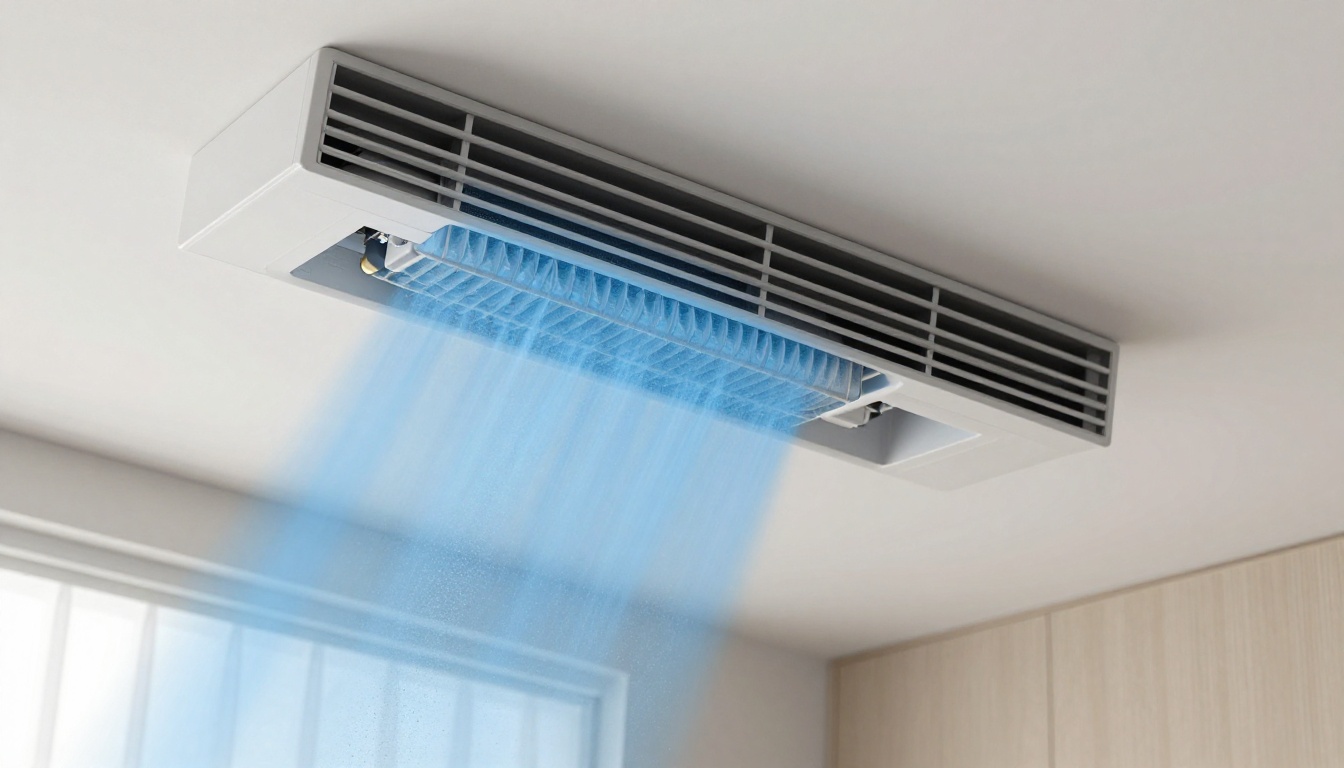
Dust clogs your vents. Allergies flare up every spring. You sneeze through pollen season, and your home feels stuffy no matter what. These issues stem from poor air filtration in most homes.
MERV ratings measure how well your HVAC filter traps particles. They range from 1 to 20. Higher numbers catch smaller bits like pollen, pet dander, and smoke. Pick the wrong one, and you waste money on energy or risk system damage. Choose right, though, and you breathe easier while protecting your gear.
This guide walks you through MERV basics, home factors, system checks, and picks for your setup. You’ll end up with cleaner air that fits your life.
What MERV Ratings Tell You About Air Filter Performance
MERV stands for Minimum Efficiency Reporting Value. It rates filters on capturing particles from 0.3 to 10 microns. Dust mites hit 10 microns. Fine smoke sits at 0.3. Higher MERV means better trapping across sizes.
For basic homes, low MERV handles dust bunnies. Allergy sufferers need mid-range to snag pollen. Heavy smokers or city dwellers grab higher for smoke and smog. In short, MERV matches your air woes.
Here’s a quick breakdown of what each range captures:
| MERV Range | Particles Trapped | Common Uses |
|---|---|---|
| 1-4 | Large fibers, carpet bits | Basic protection |
| 5-8 | Dust, pollen, mold spores | Everyday homes |
| 9-12 | Fine dust, auto emissions | Allergy relief |
| 13-16 | Bacteria, smoke, sneeze droplets | High sensitivity |
| 17-20 | Viruses, carbon dust | Hospitals, not typical homes |
This table shows why most folks stick to 8-13. It balances capture without overload.
How the MERV Scale Works From Low to High
The scale starts simple. MERV 1-4 grabs big stuff like lint. Your old furnace runs fine with these.
Next, 5-8 tackles dust and pollen. They suit quiet homes. Then 9-12 nabs mold and fine dust. Families with kids often pick these.
MERV 13-16 fights bacteria and smoke. However, they demand strong blowers. Top tiers, 17-20, trap viruses. Yet homes rarely need them because airflow drops too much. ASHRAE tests ensure ratings hold up. Most residential filters land at 8-13 for good reason.
MERV vs. Other Ratings Like FPR or MPR
MERV leads as the standard. FPR from 3M counts particles per square foot. MPR works like MERV but stays proprietary.
Labels mix them up. So check the MERV number first. It compares apples to apples across brands. In addition, stores list both. Stick to MERV for clear choices.
Factors to Consider for Your Home’s Perfect MERV Match
Start with your crew. Allergies or asthma? Go 11-13. Pets shed dander, so 8-11 fits. Urban pollution pushes higher. Rural spots with low dust take 6-8.
Cooking smokes up kitchens. Indoor smoking worsens it. Assess health first. Then factor habits. This checklist guides you:
- Family allergies: Yes boosts to 11+.
- Pet count: More means mid-range.
- Cooking frequency: Greasy fumes need 10+.
- Smoking indoors: 12 minimum.
Balance keeps air fresh without strain.
Your Home Size, Layout, and Lifestyle Impact Choices
Big homes spread particles. Open plans mix air fast, so mid-MERV works. Small spaces concentrate dust; higher ratings shine there.
Kids track dirt. Pets tumble fur. Busy lives mean more mess. Spring pollen spikes needs. Adjust for seasons. For example, summer barbecues add smoke. Match MERV to your daily grind.
Location Matters: Urban vs. Rural Air Quality Differences
City air packs smog and exhaust. Traffic kicks up fine bits. Pick MERV 11+ to fight it. Rural farms stir hay dust. MERV 8 handles that.
Nearby construction dumps particles. Boost temporarily. Check local air reports. Urban folks gain most from higher ratings. Rural stays basic and saves cash.
Ensuring Your HVAC System Can Handle the MERV Rating You Pick
High MERV clogs airflow. Older units strain and hike bills. Check your manual. Most homes max at 8-13.
Test pressure drop if unsure. Pros measure it easy. Don’t guess. A mismatch shortens life. Therefore, confirm capacity upfront.
Signs Your System Struggles with High MERV Filters
Weak vents blow soft air. Feel them; strong flow matters. Bills climb from hard work. Filters clog weekly. Temps swing room to room.
Units short cycle, on-off fast. These flags scream mismatch. Test by swapping to lower MERV. Air strengthens quick.
Upgrading Your HVAC for Better Filters If Needed
Bigger slots take pleated filters. High-flow media eases restriction. Variable-speed blowers pair with 13+. Costs run $500-2000.
Health wins justify it for asthmatics. Start small. Consult techs for quotes. Upgrades pay in clean air long-term.
Weighing Pros and Cons of Common Home MERV Ratings
MERV 8 costs little, $10-15 each. It grabs basics without fuss. Systems love it. Yet allergies linger.
MERV 11, $20-30, zaps pollen great. Moderate strain. Ideal balance. MERV 13 tops homes at $30-50. Bacteria bows out. But watch for clogs.
Pick by need. Budget homes take 8. Allergy nests go 11-13.
Best Starter Ratings for Most Homes
MERV 8-10 suits standards. They trap pollen and mites. No overload. Newbies ditch fiberglass for these.
Air stays decent. Change quarterly. Costs stay low. Most gain quick wins here.
When to Go Higher: 12-13 for Sensitive Households
Allergy peaks demand 12-13. Fine particles vanish. Immunocompromised folks thrive. First, verify system.
Health trumps all. Sneezes drop. Worth the check.
Simple Steps to Swap and Maintain Your New Filter
Locate your slot. Note size like 20x25x1. Buy matching MERV.
Turn off power. Pull old filter. Note airflow arrow. Slide new one in. Power up. Check monthly.
Replace every 1-3 months. High MERV clogs faster. Pleats beat flats. Custom cuts cost more. Call pros for odd fits.
The right MERV transforms your air. Assess needs, check system, balance rating. Pull your current filter today. What’s its MERV?
Cleaner breaths cut sick days. Homes last longer. Share your switch story below. Or chat with your HVAC tech now. Breathe free.