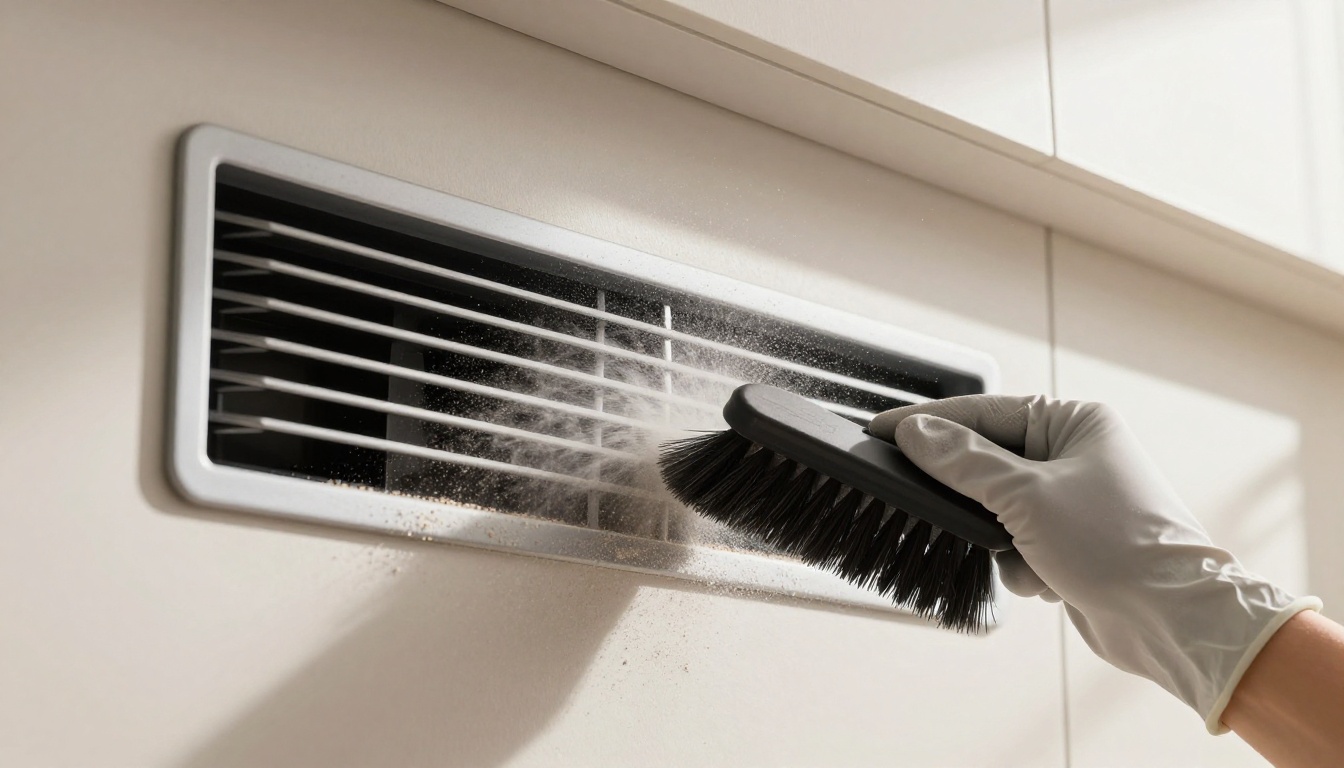
Picture this: you crank up the AC on a hot summer day, but rooms feel stuffy. Your energy bill spikes without reason. Dirty air intake grilles could be the culprit. These grilles pull air into your HVAC system for cooling or heating. When they clog, airflow suffers. That leads to poor comfort, higher costs, and strain on your unit.
Unobstructed flow keeps your home comfy and efficient. Clean grilles mean better air quality, lower bills, and a system that lasts longer. You avoid uneven temps or dust buildup. Best part? You fix it yourself with basic tools. Follow this guide for a step-by-step process. You’ll breathe easier soon.
Spot Trouble Early: Signs Your Air Intake Grilles Need Attention
Weak airflow from vents tops the list of red flags. You notice it when a tissue barely moves near the grille. Rooms heat or cool unevenly because air doesn’t circulate right.
Dust piles up around the edges. It looks like a fuzzy frame on your wall or floor vent. Your HVAC runs longer and louder, hiking energy use. Bills climb 10-20% from blockages.
Strange noises emerge too. Rattles or whooshes signal debris inside. Here’s a quick rundown of common signs:
- Weak suction: Hold paper to the grille; it flops instead of sticking.
- Dust rings: Thick buildup shows poor filtration.
- Uneven temps: One room stays hot while others chill.
- Rising bills: Extra fan runtime costs more.
- Odd sounds: Whines or hums from restricted air.
Check grilles every three months, especially before seasons shift. Fall prep catches summer dust. Spring cleaning clears pollen. Regular peeks prevent major breakdowns. You save money and stay comfortable.
What Causes Grilles to Clog in the First Place
Dust bunnies gather fast in high-traffic spots. Pet hair sticks to everything, especially in homes with shedding dogs or cats. Pollen sneaks in through windows during allergy season.
Kitchens trap cooking grease. It coats grilles near stoves. Construction dust lingers after renos. Homes in arid areas see quicker buildup from outdoor dirt.
Pets speed things up; expect checks every month. Dusty neighborhoods mean bi-monthly looks. Indoor plants or smoking add particles too. Know your home’s quirks. Frequent inspections match your setup.
Gear Up Safely: Tools and Prep for Inspection and Cleaning
Start with basics. A flashlight reveals hidden debris. Vacuum with a brush attachment sucks up loose dirt. Soft brush dislodges stubborn bits without scratches.
Mild soap and water tackle grease. Microfiber cloths wipe clean and dry fast. Screwdriver removes fixed grilles. Gloves and dust mask protect your hands and lungs.
Safety comes first. Turn off power at the breaker. Wait 30 minutes for parts to cool. No harsh chemicals; they damage finishes or ducts.
Here’s what you need and why:
- Flashlight: Spots deep clogs.
- Vacuum/brush: Pulls out 80% of debris.
- Soft brush: Gently loosens dust.
- Soap/cloths: Cuts grease safely.
- Screwdriver/gloves/mask: Handles access and allergens.
Prep saves time. Lay down drop cloths. Work in ventilated spaces. Renters, check your lease first.
Quick Safety Checklist Before Diving In
Power off at the breaker. Flip it back briefly to confirm no hum. Ventilate the room; open windows.
Wear gloves and mask. Allergens kick up fast. Avoid live wires; shocks hurt. If unsure, skip DIY.
- Shut off HVAC power.
- Verify no electricity flows.
- Open windows for air.
- Don protective gear.
Follow this, and you stay safe.
Inspect Like a Pro: Check for Blockages Step by Step
Find all intake grilles first. Returns sit low on walls, floors, or ceilings. Central ones pull most air.
Turn power on briefly. Number the steps:
- Shine flashlight inside each grille. Look for dust walls or debris piles.
- Remove screws if possible. Peer deeper into ducts.
- Feel suction with your hand. Strong pull means good flow.
- Test with tissue. It sticks firm on running fan.
- Note locations. Floors catch more dirt.
Good flow hugs the tissue tight. Weak ones flutter or drop. Jot severity: light dust or full block. Plan cleaning accordingly. Basements need extra care from humidity.
Hands-On Tests to Confirm Airflow Issues
Tissue test works best. Run fan on high; paper clings or falls.
Incense smoke shows paths safely. Wisps should draw straight in. Normal suction pulls a dollar bill from 2 inches away.
Advanced users grab an anemometer for speed reads. 300 feet per minute counts as strong. One bad grille affects the house. Whole-system weakness points to filters. Isolate issues fast.
Restore the Flow: Effective Cleaning Techniques That Last
Vacuum first. Brush attachment on low power grabs loose stuff.
Numbered steps for success:
- Vacuum all surfaces thoroughly.
- Brush gently in circles.
- Mix dish soap with warm water. Wipe greasy spots.
- Rinse with damp cloth. Dry completely.
- Reinstall tight. No wobbles.
Light clogs need dry methods. Heavy ones get wet wipes. Baking soda paste fights tough grime; rinse well. Keep water from wires.
Test after. Tissue sticks? You’re set.
Dry Clean for Everyday Maintenance vs Wet for Deep Cleans
Dry suits quick jobs. Vacuum and brush take 10 minutes. Repeat monthly.
Wet handles grease. One teaspoon soap per cup water. Wipe, then dry 30 minutes. Fans speed it.
| Method | Best For | Time | Tools |
|---|---|---|---|
| Dry | Dust/hair | 10 min | Vacuum, brush |
| Wet | Grease/dirt | 20-30 min | Soap, cloths |
Dry prevents moisture. Wet revives sticky buildup. Choose based on mess.
After Cleaning: Verify Everything Works Right
Power up. Run fan 10 minutes. Retest tissues everywhere.
Listen for smooth hums. No rattles. Watch temps even out over days.
Issues linger? Change filters. Persistent problems mean call a tech. Duct leaks hide deeper.
Stay Ahead: Smart Habits to Prevent Future Clogs
Vacuum grilles monthly. Quick pass takes five minutes.
Change filters every three months. High-MERV traps more. Vacuum floors daily; doormats catch dirt.
Ban indoor smoking. Plants add pollen; rinse leaves. Calendar reminders work.
Routine cuts clogs 70%. Systems last years longer. Tech visits once yearly tune everything.
Quick Wins from Clean Grilles
Dirty grilles steal comfort and cash. You spot signs early, gear up safe, inspect smart, clean right, and prevent repeats.
Grab tools today. Feel the difference in airflow. Share your before-and-after in comments. What surprised you most?
Yearly pro tune-ups seal the deal. Breathe free now.